
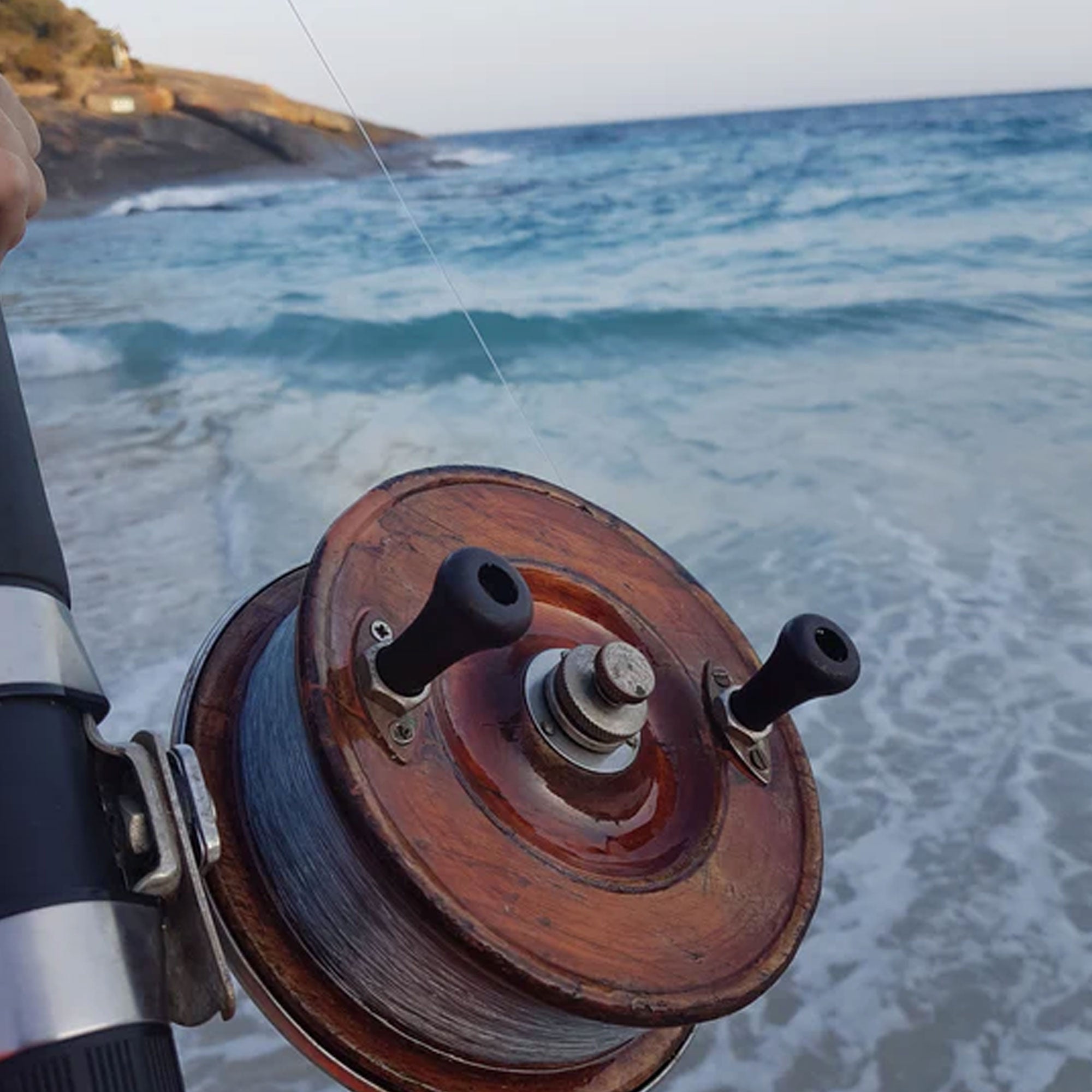
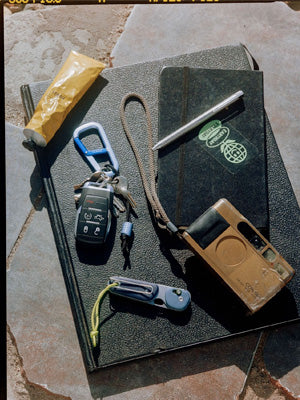





Think of one piece of gear you'd never replace. It could be anything. The reel that's outlasted three rods, the boots that have taken the shape of your feet. The knife, the jacket, the pack with the frayed strap you mean to fix and never will, because fixing it might change it. It’s a keeper, and has earned its place over and over. Hold it in mind because the rest of this piece is about it.
A product you'd never part with has a lot to teach you about the next gear you buy. Simon Haythornthwaite’s keeper is a gift from his parents: a LAMY Pico pen which sits on his desk every day and in his bag on every trip. Each detail pulls its weight; the raised logo also doubles as an anti-roll feature. ‘Every time I use the push mechanism to open and close it, it still brings me joy,’ he says. ‘To me, that's the sign of great design.’
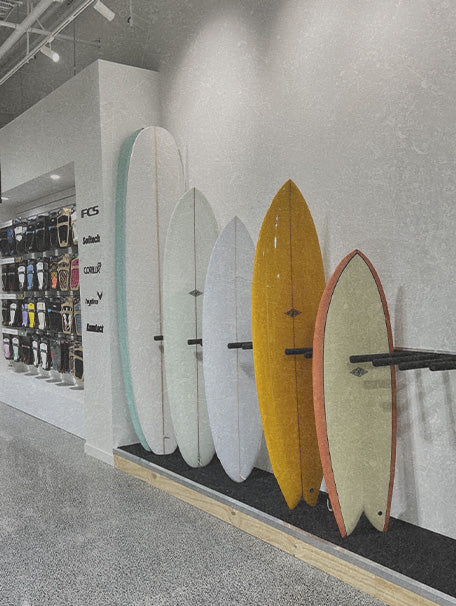
He’s made a career of designing products. He and his brother were the first designers on iconic New Zealand umbrella brand BLUNT. He was head designer for men's and kids' footwear at Kmart Australia, where his factory experience helped the retailer build its own tooling. He went back to the heritage of Volley and re-imagined the range around it, earning Australian Good Design Awards, with the new shoes worn by the Australian Olympic team at two consecutive Olympic Games. He helped develop children's footwear at Bobux around the actual stages of a growing foot, and he established his own shoe label, CWIC, where he was able to put his own stripped-back design philosophy into practice. He’s currently developing new products across FCS, Hydro and Alvey, from first concept through to factory floor.

Simon's worked on projects starting from the affordable end of the price range through to premium end of the shelf. He's a good person to ask about keepers and as can be expected, he sets a high bar, best illustrated by something he loved and lost : a Nike ACG cap that felt perfect was whipped off his head by a gust of wind and proved impossible to replace. He never found another like it; he suspects it was a limited run. “Maybe losing it made me appreciate just how well designed it actually was,” he says.
Another way of saying this is we can better value things we love when we more clearly understand what sets them apart from the rest.
WHAT MAKES A KEEPER
Simon can summarise his definition in one word: intent. Keepers have genuinely been thought through, solve a real problem and ‘almost feel like they’ve been designed backwards from how someone will actually use them’. The difference, he reckons, between something designed and something merely styled or trading on hype lies in the small things; how it’s made, how it sits in the hand, and the maker’s understanding of the user. “The best products feel considered rather than over-designed.”
True keepers improve through use. “The marks and wear become part of their story,” he says, “and over time the product can become something you treasure.”
Crossing from a thing you own to a possession you value happens when you come to rely on something rather than use it. Simon refers to this as “an enabler”. This is his ambition for the watersports and outdoors products he’s working on, where materials, manufacturing and the environment meet in one metric; performance. A space where good design isn’t a cherry on the cake, it’s the cake itself.
You design for longevity, he says, by choosing the right materials, keeping things simple, and genuinely understanding how the thing will be used. This is where “less, but better” applies.
“The hardest part is actually the ‘less’. It’s easy to keep adding features, details and styling; it’s much harder to strip a product back to what is genuinely needed.” Get the balance right and the result “should feel simple and almost obvious, even though a lot of thought has gone into achieving it”.
The obvious-feeling object is the rare one designers fought to keep simple. One where every detail earned its place. Falling short is the culmination of choices: a detail added to look more premium, a cheaper material slipped in where nobody's looking. A chain of decisions ending with a buyer deciding to go with another option.

THE BET AT THE COUNTER
Back to your keeper: you likely chose it before you'd used it, before it had earned any credibility. Was the decision good fortune, or something more?
Simon trusts his gut but he's specific about what it represents. His read starts with the branding, the packaging, the point of sale. Are they all speaking the same language? What's the product trying to tell you, and is it built to meet the claims made? Then he's into materials, construction, assembly. He can't always explain the verdict.
“I normally trust my gut initially… that instinct comes from experience, even if I can't immediately explain why something feels right or wrong.”
Even he gets fooled. He recently purchased luggage from a well-known premium brand he’d used across a range of categories. He ordered without handling it first and it arrived looking the part. Then he used it. The handle felt uncomfortable; the bag toppled over when fully packed. “A poorly considered product changed my perception of a brand I'd trusted for years,” he reflects. One disappointment undermined an assumption of quality that took decades to build.
Pattern-recognition built from years of paying attention can guide you, but it can also be wrong. A logo is a strong signal but it’s rarely a guarantee.
*See our Reading the Shelf list for Simon’s advice on how to find your next keeper.
THE INHERITED EYE
Simon's process is grounded in a lifetime of habit. His father is Peter Haythornthwaite, one of the most significant designers this part of the world has produced. Simon describes his childhood as “my real university”. His dad would point out good design and explain what made it so. He'd take his sons into factories, workshops and engineering firms and ask “Do you mind if I show my sons how this is made?” so they'd understand the process. The lessons stuck: an idea on paper may be wonderful, but it isn’t good design until it can be made properly. For all that inheritance, Simon doesn't design with legacy in mind. He aims to meet a need.
“If something you've designed is still being used, still performs its intended purpose, and people still value it years later, then that's probably the best legacy a designer can have.”
Have you found a new appreciation for the keeper you envisioned at the start? The next time you handle it, you might notice facets and details you hadn’t given much thought to before. And the next time you decide whether to buy a new thing, you’ll know the feeling about it is a bet based on a thousand tiny signals, experiences and conversations. By paying attention, you have more than luck on your side. And that’s a feeling worth paying attention to.
*READING THE SHELF
Simon's field guide to telling substance from show.
- Log the gut first. Pick the thing up and note your first read. Yes, no, not sure? That instinct is experience talking. Don't discard it or try to unpack it.
- Look before you touch. Is the branding, packaging and product telling the same story? Inconsistency should be a warning to look closer.
- Get into the details. Construction, materials, how the parts are assembled. The feeling in the hand or on the body. Quality lives here. The right material and attention to detail beats a costly component poorly allocated.
- Is styling doing the heavy lifting? If a detail exists only to look more technical or more premium than the thing really is, that's sizzle, not steak.
- Dive beneath the surface. Elements can appear identical and behave completely differently. Simon cites a shoe brand changing the rubber compound used in the sole as an example of this. The new version looked identical, but lacked the same grip, and the company undermined the trust of an entire market segment who relied on that specific attribute.
- Read the gap. When gut and inspection disagree, that's a signal, not noise. Unpack the details to better understand where the misalignment is happening and avoid making a decision you will regret.
Shop the story
Made To Keep
The best gear earns its place over and over. Here are pieces you'll still be reaching for in twenty years.


