





A single mullet doesn't warrant a glance, much less a second look. A length of dull silver most anglers step over in their pursuit of something with more teeth or table appeal.
Once the westerlies come in cold, they gather at the river mouths, along the mid north coast beaches, forming a shadow pushing north.
One mullet is a shrug. The run is the biggest thing happening to the coast all year, and most watch it pass without knowing the significance of what they're looking at.
THE FISH AND THE RUN
A mullet grazes, like livestock; mud, algae, and the fine detritus settled on an estuary floor. A small, patient machine turning the bottom of a river into flesh. Unspectacular work.
Come autumn, as the water cools after Easter, Mugil cephalus leave the estuaries and mass along the beaches to spawn at sea. A scattering of solitary grazers coalesces into a behemoth tracking north.
A great deal is timed to that motion. The tailor and salmon shadowing the schools. The mulloway behind them. Birds above, sharks below. The people, too. And behind the people, an industry built almost entirely on the eggs those spawning fish carry, earning the oxymoronic nickname grey gold.
It’s on this scaly little axle that a much larger wheel turns. Nothing else on the coast draws so much life into so short a window. It's not indispensable. Predators won't starve in a lean year and the fish hedge their own bets. Only a portion of the population makes the full spawning run in any given season, leaving some slack in the system.
OLDER THAN AXLES
Long before it became a business, the run was an event. The mid north coast is Gumbaynggirr Country, and the mullet's arrival has marked the turning of the season far longer than any fishery has kept records.
Gumbaynggirr people took mullet with hand nets woven from bark fibre and stone fish traps. Those aren't relics gathering dust behind glass. They're still worked on particular occasions, with an Elder present, the practice kept to its proper form.
The knowledge is lived rather than archived. The haul crews, the roe boats offshore, the angler on the rocks: all recent arrivals to a relationship far older than any of them.
GETTING RUN-READY
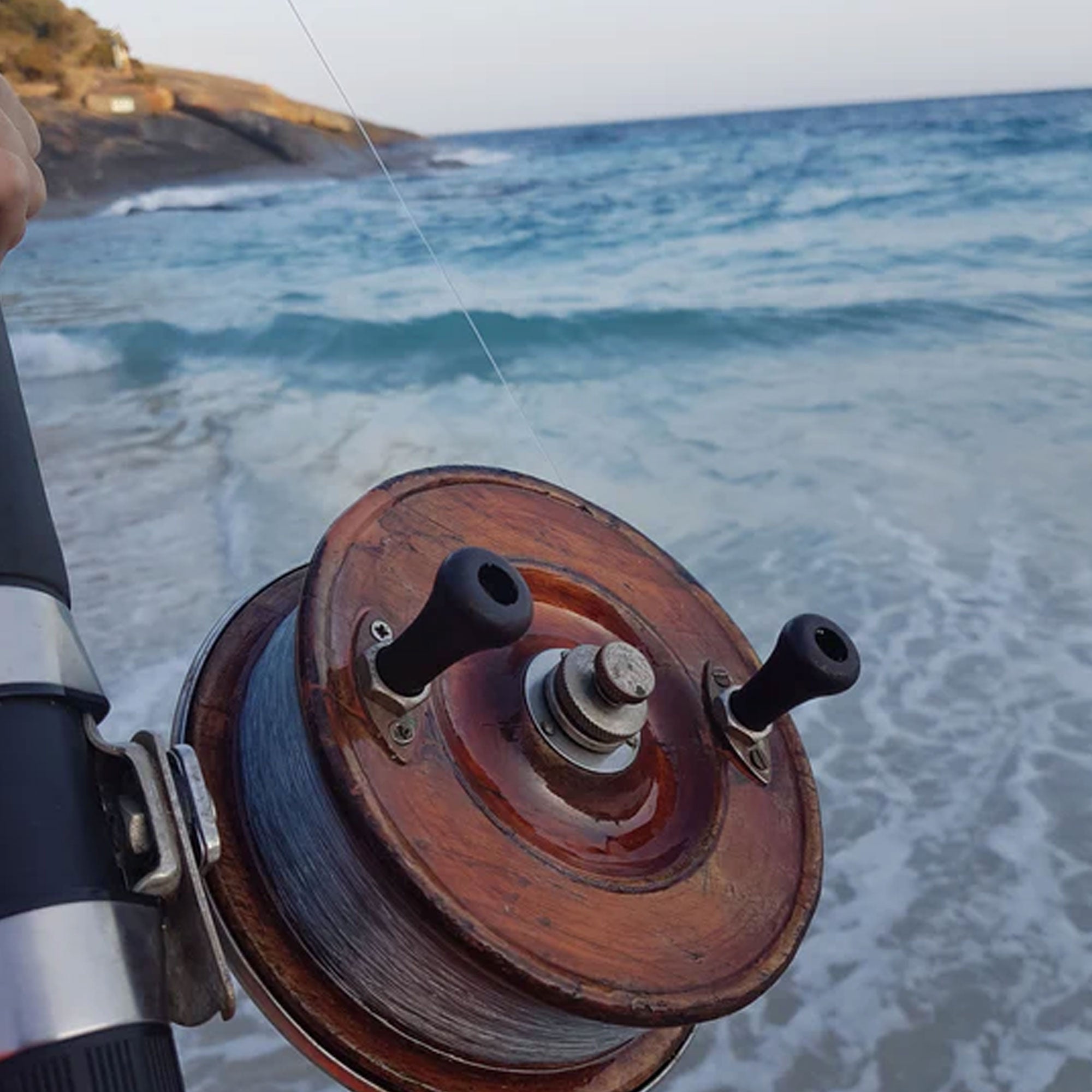
You meet the run two ways: fish for the mullet, or fish the run, and go after what lurks in the wake.
FISHING FOR MULLET
Grazers are hard to hook and your usual gear won't cut it. Go light instead. Fine line, small hooks, and bait that appeals to a vegetarian: a pinch of bread or dough, or green weed gathered off the rocks. Berley with the same, little and often. Work the estuary edges and river mouths on moving water, letting the run-out tide do the job of finding them.
FISHING THE RUN
Where the mullet go, the mulloway follow. Locate the school, and you've narrowed down where the jewfish are sitting behind it.
Tackle up heavier than you'd expect. Bait with a live poddy or a fresh fillet cut from a legal fish; a soft plastic worked slow through the same water does the job too. Fish the deeper holes behind and below the school, favouring the changing light of dawn and dusk, and be patient; mulloway is a waiting game.
RULES OF THE RUN
- In much of the world this is a cast-net event. Not here. Cast nets are illegal in NSW waters. It's hook and line, or a legal hauling net worked strictly within the rules.
- Sea mullet must be at least 30 centimetres, and you can keep 20.
- Smaller poddy mullet under 15 centimetres, you can take 20 of, but for live bait only.
- Mulloway must reach 70 centimetres and the bag is one per person, with no more than two in a boat for the day, however many of you are aboard.
The westerlies are already through. Out past the break, the run plays the role of harvest, lure, symbol and spectacle. The mundane transformed, briefly, into something marvellous.
Shop the story
Rigged for the run
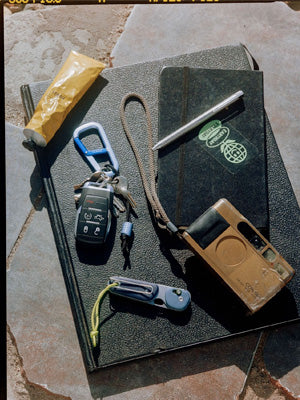
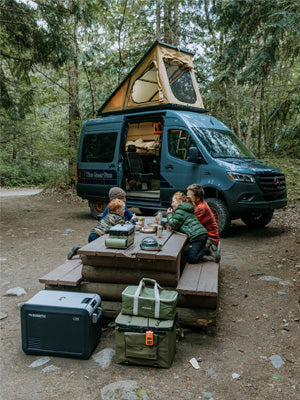
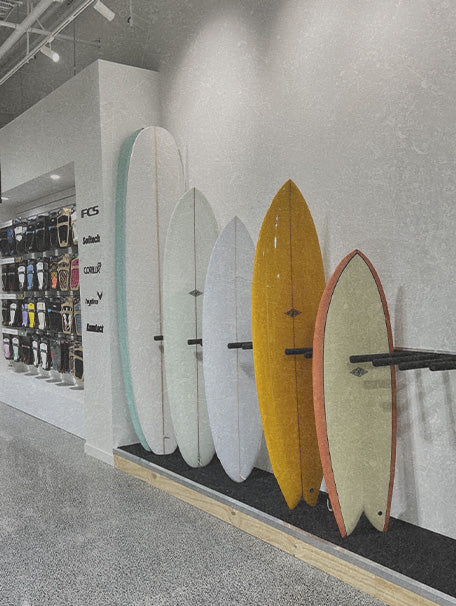
Whether you go light for the mullet or heavier for the mulloway behind them, the right gear makes all the difference.


