
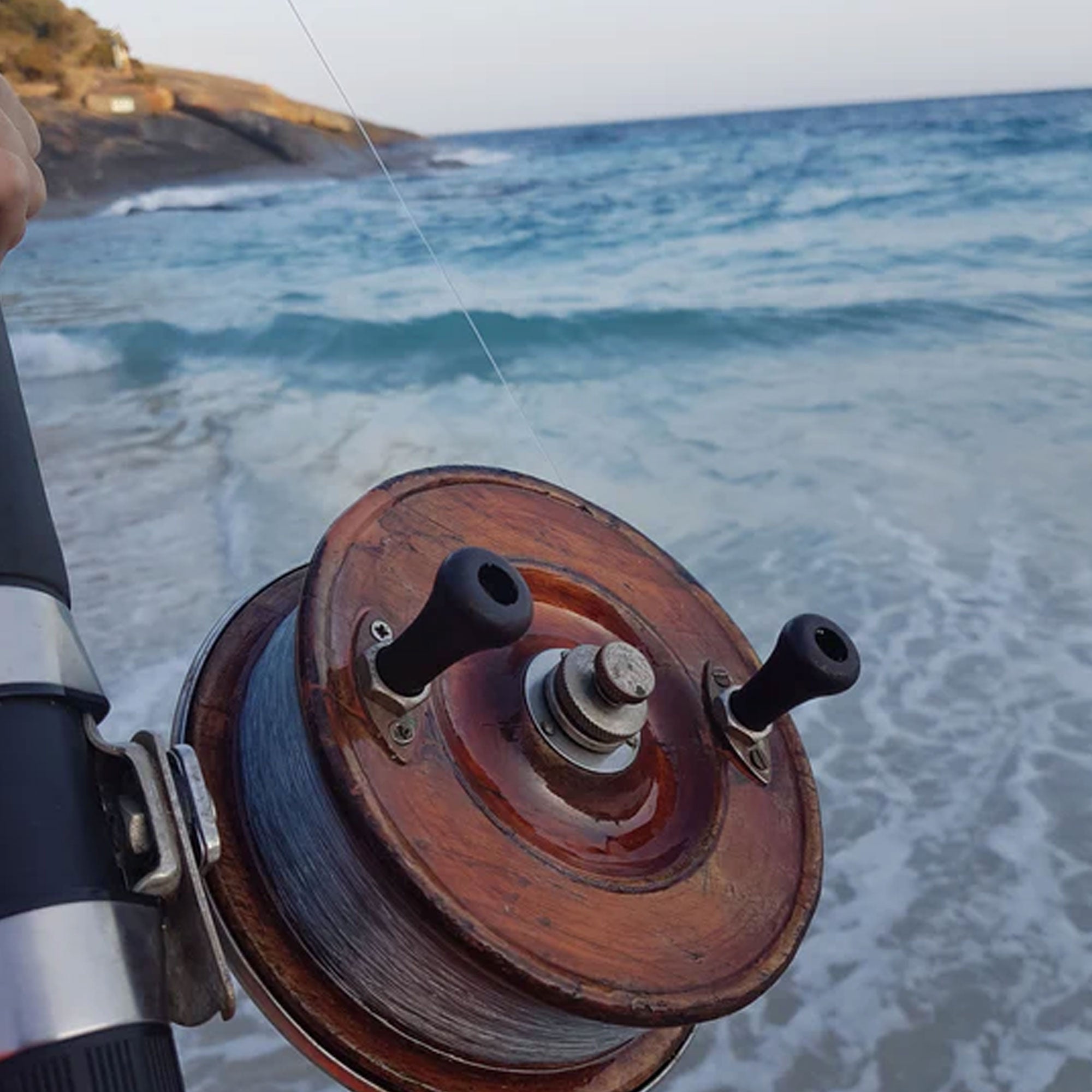






John Rafferty recalls sitting in the family Land Cruiser as a young boy, watching his late father's mate fishing alone on a cold, windy day at Stockton Beach. He remembers thinking the Alvey in the angler's hand looked special, that the reel itself resembled “a soldier's weapon, something that was sacred”. Rafferty’s memory ends with the powerful desire that it had been him out there holding the reel, and marks the start of a decades long relationship with the brand.
BUILD, DON'T BREAK
Now, four years into moving a century of manufacturing out of the old factory at Carole Park and putting it back together in a new facility, Alvey is launching reengineered Direct and Drag ranges under his watch and John is facing the fear of betraying that memory head on.
“Getting it wrong and tainting a legacy that is over 100 years old. Losing the trust of the Alvey family and the Alvey customer base”. He's matter-of-fact about the consequences. “You are always remembered more for your last mistake rather than any good work that came before it.”

What's the collective noun for reels? A creel? A few of the new crew hanging out with an OG.
DECIDING WHAT IS BEST
Nevertheless, choices must be made. Thread pitch is a good example. The imperial fine thread used by Alvey on the drag system does a better job than its metric counterpart. It’s a difference felt rather than measured. Imperial measurements cost more to source. Modernising Alvey the sensible way means going fully metric, but the threads stayed imperial. “We are not prepared to allow any backwards steps regarding function,” is how Rafferty settles the question.
Metal backs provide another good example. For most of Alvey's history, the reel's backing plate was hand-spun metal, a process Rafferty describes as ‘a bit of an art form that requires both skill and feel’. The machinery used to spin those backs didn't meet workplace safety standards at the new site. Outside suppliers were sourced to fill the gap. None were good enough. The team spent years rebuilding a manufacturing process to get the feel right again before anything went back on sale.

Worth the wait. The new metal backs look sharp while also giving a nod to the past.
“An Alvey is essentially all about feel. The spec sheet is just a compliance step to state the obvious... there is nothing else in the market that feels like an Alvey.”
THE REEL FEELING
That feel goes beyond touch. Experienced Alvey anglers will know whether the reel is right by listening to it. A part number can confirm a drag system was manufactured to spec. It can't tell you whether it feels the way it's supposed to under load, with a fish already running.
For aficionados, Rafferty hopes the new reel “feels like a true Alvey.” The small test group has told him it's the best they've used. He won't make that claim himself but says “I do hope others can honestly do that. Our goal is to put smiles on customers' faces, and if we achieve that, I will take that as a win.”
“The Alvey club is a very passionate one. If that club grows, we will know we are doing something right.”
For anglers who've never picked one up, he hopes it does something closer to conversion. Watching someone work a reel that looked a bit like something sacred was the moment he joined that club years ago. The best he can hope for is to provide the same rite of passage.
It all comes down to a feeling.

About as durable as it gets.
The Reel Deal
Rig up for a new Alvey
Fresh gear needs tackle that matches its potential. Here's a few things to help make that first day out with the new setup that much more memorable.


