







You've been home 72 hours and the tan’s holding nicely but that’s about it. Somewhere between the baggage carousel and the 117 unread emails, the three weeks you spent eighteen months saving for are a distant and fading memory. The rejuvenated person expected to come back is nowhere to be found. The same person who left is the one who has returned. Possibly more tired.
This was not the deal struck months ago, hours after you should have been asleep, fourteen tabs deep in a spreadsheet colour-coded for bookings confirmed, pending and a third category you can’t remember creating. The dog-sitter wasn’t replying. You aren’t sleeping properly because you’re counting To Do checkmarks instead of sheep. It’s fine. Everything’s fine, you repeated like a mantra, because it was a down payment on the new you: the rested, patient, balanced individual, with a fresh hobby like pottery, or maybe leatherwork, and a dozen new ideas on how to make the next year the best one yet.
You don’t know where you went wrong, and the only logical response is to double down and go even longer next time. If this sounds exactly like a life moment you want to experience firsthand, we've provided a foolproof process.
Step 1: Hoard your leave
Don't take the odd Friday, nor the long weekend lined up neatly with a public holiday. Accrue it all through winter, a corporate restructure and at least one round of whatever weird illness is going around the office. Rest, as everyone knows, compounds. Every additional day in the big break pays larger dividends than one measly day on its own does.
Australians are sitting on something like 209 million days of accrued leave, which we like taking in one enormous lump.
We requested breaks of sixteen days or longer at more than double the rate of our neighbours. The big reset needs every second you can offer if it is to birth the new you.
Step 2: Make it a big one
Three weeks is the minimum for a trip that's going to change you. A month is better. If you can wangle six weeks by tacking unpaid leave onto the end, that’s big league thinking. If a week of rest is good, three weeks must be three times as good? There’s a theory that wellbeing peaks around day 8, but if you stretch the trip, then the lift should be higher for longer, right? And who cares if the landing is harder. Build up a big enough surplus of chill, and you can handle anything.
The Dutch disagree, but they have the shortest work week in Europe and get paid to go on holiday, so what do they know?
Step 3: Expect it to fix everything
The trip is no mere holiday; it's a cure! For the burnout, the short fuse, the 3am inventory of everything you haven't done. Go in expecting a full reset; you’re coming home a new person, ready for anything the year throws at you. The thing about the new you, is they’re only around for a visit.
Researchers agree the lift from a holiday is real. They disagree on how long it lasts. Somewhere between a week and six weeks, they’re gone.
Depending on the study, your tan may outlast your new sense of self. The big trip will make you happy before you even leave, provide extraordinary experiences and create lifelong memories. Asking it to wash away a year of stress and anxiety into the bargain is not the objective it’s built for, but hey, you’ve got everything riding on this so aim for the stars.
Step 4: Return to a full inbox
Timing matters here. Fly home Sunday night and be at your desk by eight on Monday, ideally having spent the flight drafting replies to all 117 emails. Fight the instinct to ease in. Use the guilt you feel for taking leave as fuel. Book the catch-up meetings back to back, give up the first weekend home to clear the backlog, and say yes to the project that came up while you were away. Spend that chill like it’s burning a hole in your pocket. The heavier the workload, the faster the benefits fade, but it’s fine. Everything’s fine. You had a long break. You can take it.
Step 5: Repeat in twelve months
Book the next one before you've unpacked. Tell everyone you're already counting down. Open a fresh spreadsheet. Bank the leave. Obsessing over a vacation is now the linchpin of your personality. The new you is out there somewhere, and there’s only one way to find it.

ALTERNATIVELY…
Most of the above is true. We are a nation saving rest rather than savouring it. The lift from a holiday really fades once you're back at work, and the longer the break, the harder the landing tends to be. None of that makes the big trip a mistake. It's wonderful for plenty of reasons: rest isn't reliably one of them. If that's what you're after, here's what the research suggests instead:
-
Go more often, for less long. One major review recommended regular short breaks through the year. A long weekend won't give you the high of three weeks away. It doesn't have to. Managers who took a four-night break were still showing the benefit a month and more later.
-
Literally switch off. Leave the laptop. Delete the work app for the week if you have to. Do something that gets your heart rate up: a surf, a long coastal walk, even a short run. Switching off from work and moving your body are the two things most strongly linked to a holiday doing its job.
-
Land softly and slowly. Come home a day before you're due back in the office. Keep the first week light where you can, and keep doing whatever felt like rest while you were away. A heavy workload on return speeds the fade; time to unwind slows it.
None of it needs a passport and most fits in a long weekend. If you’re after recovery, the best place to start is probably taking a Friday off and chilling. The rest, as they say, is up to you.
Shop the story
Kit for a Friday off
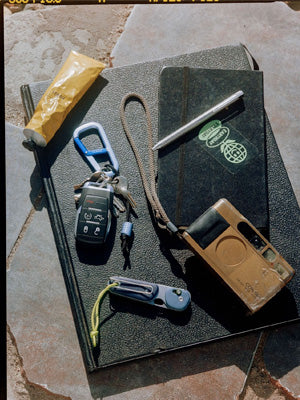
No passport, no spreadsheet. Somewhere to sit, something cold, and a notebook for the ideas that turn up once you've stopped.


