




Hunting swell off the Alaskan coast, the crew aboard the Milo know all too well that surfing is a component of the expedition. The rest is everything it takes to get there. The storm fronts, the swell windows that open and close to a rhythm only they can hear, the long stretches of nothing between waves.
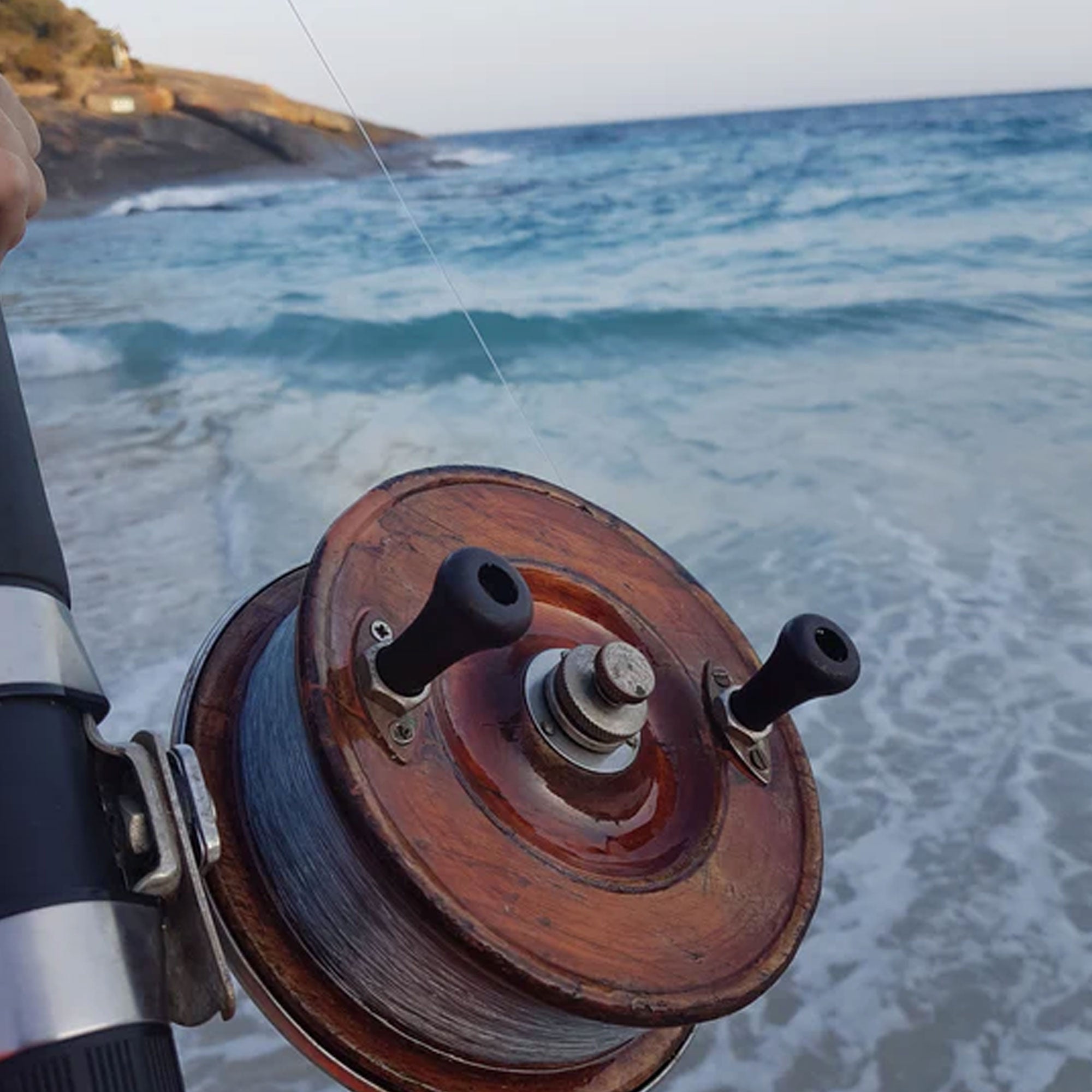
Header Image: When remote is the name of the game, The definition of carry on luggage changes somewhat. Photo by Guy Williment.
Watch FCS Go’s Alaska film and it’s easily apparent the hardship isn’t the cost of the ticket so much as the ride itself. If waves are the cherry, the circumstances are cake.
This particular kind of madness is an acquired taste outdoor lovers are prone to appreciate. Surfers in particular. Difficulty morphs from deterrent to appeal and sought out, in steadily larger doses, the way alpinists hunt new ascents. If you need a point of reference to better understand this special kind of obsession, you'd do well to start in Africa.
SKELETON BAY, NAMIBIA
You don't plan a trip here so much as wait for one, bags half-packed, ready to move the moment the forecast says so. A sandy freight train that’s fast and flawless, with so many barrelling sections a regular footer couldn’t count them on his fingers without letting go of the rail. Squatting on Namibia's desert coast, half a day’s drive from the nearest city, in a place that's hot and cold and dusty. There’s nothing but grit, seals, and the wind that built the sandbar in the first place. It's fickle. A big, long-period swell wrapping in at precisely the right angle might last a few days when it switches on.
The challenge is one of surrender: to the swell's timing, the desert's emptiness, the gamble that you'll pull the trigger only to fire a blank. You can do everything right and go home with nothing to show for it. Those who score will likely surf the best waves of their lives. Seeking a new peak to summit, their attention may swing to the opposite; where instead of playing truant, the ocean never goes away.

Luck and experience will find you waves in Alaska. And a boat. That's critical. Photo by Scott Dickerson.
ALEUTIAN ISLANDS, ALASKA
The Aleutians are an immense scattering of islands curving off the Alaskan mainland into the North Pacific, and are also known, with tentative affection, as the birthplace of storms, where the weather battering the rest of the Pacific is made. The water is cold enough to be hazardous in its own right, swells arrive with the full violence of the open ocean behind them, and the coastline is mostly reef; sharp, shallow, and intolerant of errors from surfer and boat captain alike.
The nearest hospital is a five-hour emergency flight from the lineup, weather permitting. Which it often doesn't. Surfers who've made the trip talk about it the way people talk about accidents they're slightly amazed to have survived. The waves, when it comes together, are world-class: heavy, hollow rights reeling down reef seen by no more than a handful of people, much less surfed. The abiding impression isn't of conquest but insignificance: how little of that coast bears the mark of a human's touch, and how indifferent it is to our existence.
Skeleton Bay can waste your time; the Aleutians might end it. The people who go don't seem to be deterred by the danger so much as accepting of it, drawn by the sense that out here the ocean is on full display. Nothing is held back and there’s nowhere to hide. If cold and consequence are the appeal, how far can you push before the scales tip from thrilling into madness?
The fulcrum lies on the other side of the same ocean.
KAMCHATKA, RUSSIA
A peninsula hanging off the far eastern edge of Russia, closer to Alaska than to Moscow. Six and a half thousand kilometres from here to the capital, which tells you most of what you need to know. It is a land shaped by hundreds volcanoes, dozens of which are still active.
For decades it was a closed military zone, accessed only through permits. The residue of that lingers in the stretches of coast you can't surf because of what's behind them. Reaching the waves once you've arrived is done by helicopter, snowmobile and Arctic-spec truck grinding over terrain that has no roads. Brown bears outnumber any reasons to feel relaxed. The weather changes its mind by the hour. An Australian expedition almost ended prematurely when the news broke that Russia had invaded Ukraine. They pressed on anyway, which more eloquently describes the sort of person coming here than any written description could.
Kamchatka is the dial turned all the way to 11. Cold, consequence, geopolitics, bureaucracy, bears, volcanoes, and a remoteness so complete the locals who pioneered surfing did it in near-total isolation. It’s the destination of adventurers with dopamine receptors worn down to sputtering stumps.
For the surfer who reads all of that and thinks “too commercial” there’s Tierra del Fuego.
TIERRA DEL FUEGO, ARGENTINA
Kamchatka is hard because of everything piled on top of it. Tierra del Fuego is harder because there is nothing at all. Past Patagonia, past the last towns, sits an archipelago. The final scrap of land before the ocean runs uninterrupted to Antarctica. The coast is largely roadless, much of it locked up in vast private ranches, and the weather is its own category of hostile: wind sharp enough to snap the blades off turbines, swell that arrives unreliably down a coastline angled awkwardly to receive it, cold that sits in your bones, an uninvited guest refusing to leave. There is no surf scene to plug into, no camp, no guide waiting at the airport. There is you, whatever you carry in, and a long round trip.
The waves found here were discovered the hard way. A pair of brothers walked more than four hundred kilometres into the Mitre Peninsula. No resupply, no contact, eating sparsely and crossing rivers in freezing rain, all on the strength of a rumour, passed on by a hiker who wasn't even a surfer, that quality waves broke somewhere out there. The scale of commitment this place asks is on its own register: an expedition you might measure in months, with the genuine possibility that you reach your destination and the ocean, echoing Skeleton Bay's party trick, leaves you blue ticked.
It is the most physically demanding wave on this list, and the one that strips all the way back to the most fundamental of locomotion. Walking, carrying, surviving, and somewhere in all that, surfing. You have to want it more than almost anything. Standing at the bottom of the world, you might realise the wanting has become the whole point, leaving you to wonder what it is you’re chasing.
RAPA NUI (EASTER ISLAND)
Answers might be found at the wave you reach by simply running out of land.
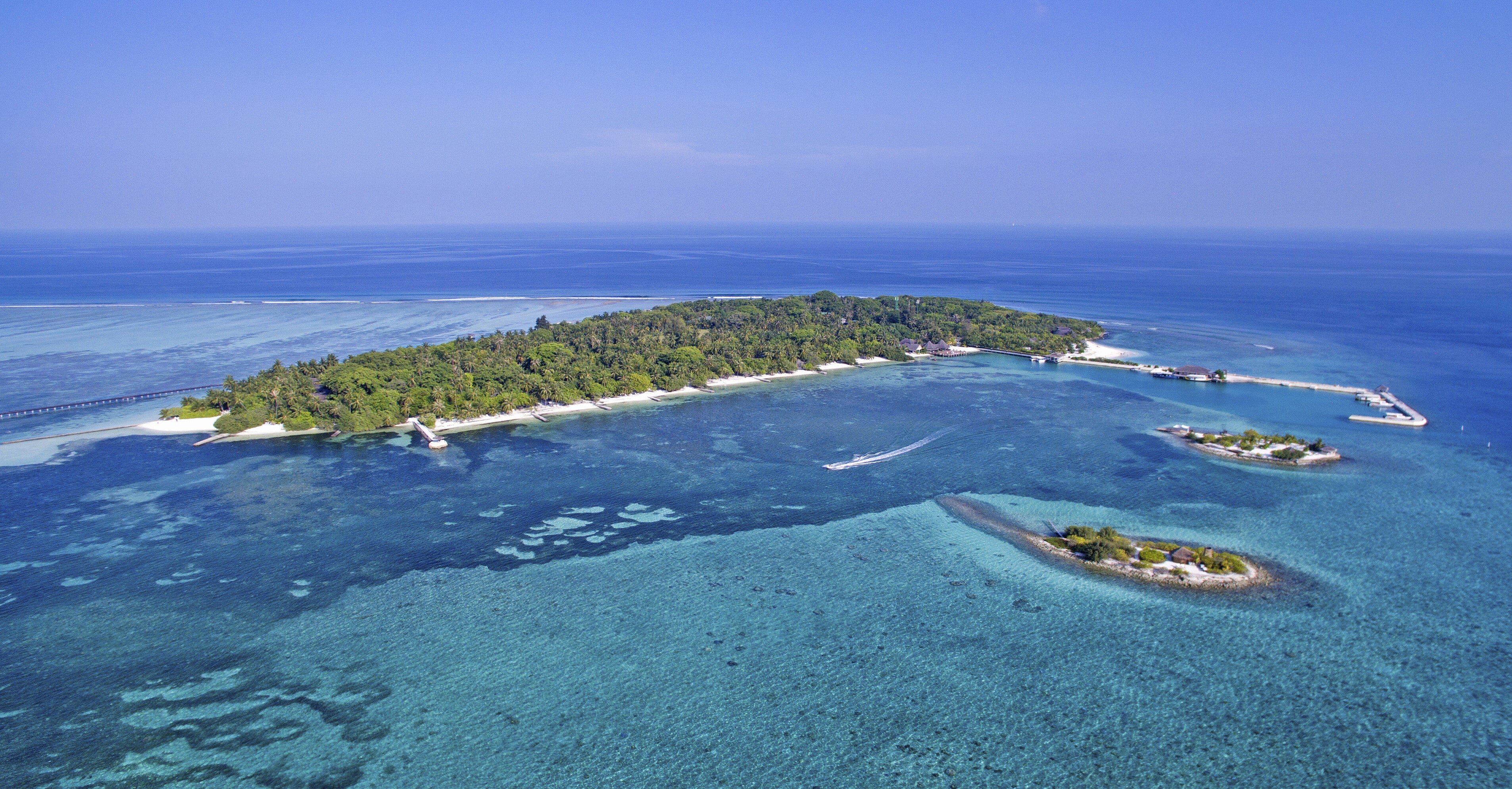
The nearest mainland to Easter Island is Chile, several thousand kilometres to the east; the nearest inhabited island is over two thousand. You fly, because there is no other way, and you land on a speck of volcanic rock under the gaze of implacable stone faces that have watched the horizon for centuries.
Heavy lava-reef breaks are scattered around the coast with a local history of wave-riding that predates modern surfing’s idea of itself. Powerful lefts and rights reward anyone who's come this far.
Skeleton Bay asks you to gamble. The Aleutians and Kamchatka and the bottom of Argentina ask you to endure. The danger and distance is measured in suffering and sacrifice. Those wanting to learn what they are made of will find answers in the desert, the archipelagos and the ice.
Sitting in the water here, staring at land which stares back, about as far from the rest of humanity as you can get without using a rocket, Rapa Nui asks, “is it enough?”
Which brings us full circle to a boat off the coast of Alaska. The crew aboard the Milo earned their waves. You can imagine how this trip ends. The boat rocking gently, everyone tired and raw and content with the status quo. An idle mention of a wave in Russia on a peninsula out past the edge of civilisation, volcanoes on the beach, hardly anyone's surfed it. Cold, of course. And there’s bears. Almost impossible to reach. The whole table goes quiet thinking about it, before a question breaks the silence.
“Almost?”
Shop the story
Gear for the hard way
If you relish the challenging option, make sure you're ready for anything!


